
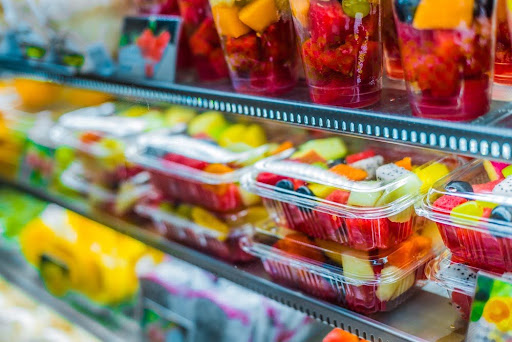
When packaging products in industries like food, beverage, medical, and pharmaceuticals, safety and regulatory compliance are top priorities. Understanding what makes plastic packaging FDA-compliant is essential for protecting consumer health, maintaining product integrity, and avoiding costly regulatory setbacks.
Every day, millions of consumer products make direct or indirect contact with plastic enclosures. If those plastics contain harmful additives, heavy metals, or low-grade polymers, toxic compounds can migrate into the food we consume or the medical devices used in life-saving procedures. Ensuring your packaging adheres strictly to Food and Drug Administration (FDA) standards is a vital safeguard for your brand’s reputation and consumer trust.
Defining FDA Compliance for Plastics
In the packaging industry, "FDA-compliant" (often referred to as "food-grade" or "healthcare-grade") means that a material and its manufacturing process satisfy the rigorous safety standards set by the U.S. Food and Drug Administration.
It is important to clarify a common misconception: the FDA does not "approve" final plastic packaging items outright. Instead, the FDA regulates the Food Contact Substances (FCS) and raw resins used to create that packaging. Governed under Title 21 of the Code of Federal Regulations (21 CFR, parts 170–199), a plastic material is deemed FDA-compliant when it meets three core criteria:
- Material Purity: The base polymer resin, along with any colorants, plasticizers, or processing aids, is listed as safe under 21 CFR or holds an active Food Contact Notification (FCN).
- Low Migration: Under intended conditions of use (including heat, cold, and shelf life), the plastic will not transfer chemicals, odors, or toxic substances into the product.
- Condition-Specific Stability: The plastic retains its structural and chemical integrity when exposed to expected environments, such as freezing, microwaving, or chemical sterilization.
Common FDA-Approved Plastic Materials
Not all polymers are created equal. Select plastic resins are favored in custom thermoforming due to their inherent chemical stability, clarity, and safety profiles:
Polyethylene Terephthalate (PET / PETG)
Extensively used in crystal-clear packaging, PET is approved under 21 CFR 177.1630. It provides exceptional clarity, strength, and moisture resistance, making it ideal for retail food clamshells, blister packs, and medical tray covers where visual product inspection is critical. PETG (modified with glycol) adds extra toughness and is frequently used in medical sterilization packaging.
High-Density Polyethylene (HDPE)
Known for its excellent strength-to-density ratio, HDPE is non-porous and highly resistant to moisture and chemicals. It is widely used for rigid food containers, pharmaceutical bottles, juice jugs, and durable material handling trays.
Polypropylene (PP)
PP is celebrated for its high melting point and exceptional thermal stability. Because it resists warping under heat, Polypropylene is the material of choice for microwaveable food containers, hot-fill food packaging, and medical components subjected to steam autoclaving.
High Impact Polystyrene (HIPS)
When customized with FDA-compliant additives, HIPS offers excellent formability, stiffness, and impact strength for single-use food portion cups, bakery trays, and diagnostic kit housings.
Key Safety Regulations & Thermoforming Standards
Achieving compliant plastic packaging extends beyond choosing an approved resin. The manufacturing environment and transformation process must also adhere to strict quality controls.
- Good Manufacturing Practices (cGMP): Under 21 CFR Part 110/117, packaging facilities must maintain pristine clean-room or controlled hygiene environments. This prevents physical, chemical, or biological contaminants from entering the plastic during heat processing or trimming.
- Thermal Integrity & Additive Control: During thermoforming, rigid plastic sheets are heated and formed over custom tooling. Processing parameters must be tightly controlled so heat exposure does not degrade the polymer chains or trigger unwanted chemical off-gassing. Furthermore, colorants, anti-static coatings, or slip agents applied during forming must be independently verified as FDA-compliant.
- Traceability and Certification: A compliant manufacturer maintains complete lot-level traceability. Every roll of plastic resin can be traced back to its raw material source, backed by a Certificate of Compliance (CoC) confirming its food-grade or healthcare-grade status.
Primary Industries Relying on FDA-Compliant Packaging
Compliance requirements vary based on how the final product is used, stored, and consumed across several critical markets:
- Food and Beverage: From fresh produce clamshells and deli containers to bakery trays and meal kit inserts, food packaging must preserve freshness while preventing moisture or gas transmission. FDA compliance ensures zero chemical alteration to flavor, aroma, or safety.
- Medical Devices: Surgical tools, catheters, and implantable devices require sterile barrier packaging. Thermoformed rigid medical trays keep instruments immobilized and protected. The plastic must remain stable when subjected to gamma radiation, Ethylene Oxide (EtO), or steam sterilization.
- Pharmaceuticals & Health Products: Prescription medication, over-the-counter pills, and unit-dose blister packaging require strict tamper-evident barriers against humidity and oxygen, ensuring shelf-life stability and patient safety.
Why Partnering with an Experienced Manufacturer Matters
Navigating FDA regulations, polymer selections, and custom design needs can be daunting. Working with an unverified supplier introduces immense risk: non-compliant packaging can lead to product contamination, catastrophic recalls, heavy FDA fines, or severe brand erosion.
Partnering with a seasoned thermoforming expert ensures that your packaging is engineered for compliance from concept to final production. An experienced manufacturer will:
- Guide resin selection based on your product’s unique chemical composition and sterilization demands.
- Design custom thermoformed trays, blisters, and clamshells that maximize protection and shelf appeal.
- Maintain rigorous cGMP quality assurance standards throughout production.
- Supply comprehensive regulatory documentation and Lot Compliance Certificates for your records.
Elevate Your Packaging with Munot Plastics
For decades, Munot Plastics Inc. has been a leader in custom thermoformed packaging for businesses worldwide. Built on a foundation of creativity, deep technical expertise, and uncompromising product quality, Munot Plastics delivers tailored thermoformed solutions that meet the most stringent safety and regulatory standards.
Whether you need FDA-compliant food clamshells, sterile medical trays, or custom protective blister packaging, our team works directly with you to turn complex regulatory requirements into sleek, functional, and reliable packaging.
Protect your product, your customers, and your business with proven packaging excellence. Contact Munot Plastics today to request an expert consultation and custom project estimate for your FDA-compliant packaging needs.