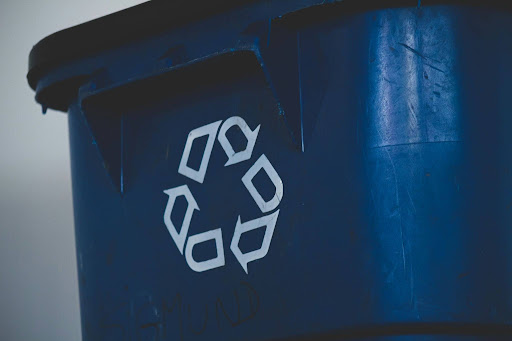
As sustainability continues to influence purchasing decisions and corporate initiatives, manufacturers are rethinking the materials they use in product packaging. One of the most significant developments in recent years has been the increased adoption of Post-Consumer Recycled (PCR) plastic, a material that gives previously used plastics a second life while helping reduce dependence on virgin resin.
Today, PCR materials are used in everything from retail packaging and consumer products to industrial trays and food packaging. Advances in recycling and material processing have made PCR a viable option for many thermoforming applications, allowing businesses to pursue environmental goals without compromising packaging performance.
Like any material, however, PCR is not a one-size-fits-all solution. Understanding how it's produced, where it's commonly used, and how it compares to virgin plastics can help manufacturers make more informed packaging decisions.
What Is PCR Plastic?
PCR stands for Post-Consumer Recycled plastic. Unlike virgin resin, which is manufactured directly from raw materials, PCR is produced from plastic products that have already been used by consumers and recovered through municipal or commercial recycling programs.
After collection, these materials are sorted by resin type, cleaned, processed, and converted into pellets that can be extruded into a new thermoforming sheet. The resulting material can then be used to manufacture entirely new packaging products.
PCR content is available in several resin families, including PET, HDPE, and PP. Depending on the resin and manufacturing process, certain grades may also be suitable for FDA-compliant food-contact applications.
Rather than viewing PCR as a separate plastic, it's more accurate to think of it as a sustainable source of material that can be incorporated into several different polymer types.
Why More Manufacturers Are Choosing PCR Materials
Sustainability has evolved from a marketing initiative into a practical business objective. Many organizations now have environmental goals focused on reducing waste, increasing recycled content, and supporting more circular manufacturing practices.
PCR plastic helps companies move toward these objectives by keeping existing materials in circulation rather than relying exclusively on newly manufactured resin.
Beyond the environmental advantages, incorporating PCR materials can also help businesses:
- Reduce landfill waste
- Support circular economy initiatives
- Lower reliance on virgin plastics
- Meet retailer and consumer sustainability expectations
- Demonstrate measurable environmental progress
For many manufacturers, integrating recycled content into packaging has become an important component of broader environmental, social, and governance (ESG) initiatives.
Performance Benefits of PCR Plastic
A common misconception is that recycled materials cannot deliver the same level of performance as virgin plastics. In reality, modern PCR materials are engineered to perform reliably across a wide range of packaging applications when properly matched to the intended use.
Benefits of PCR plastic include:
- Supports sustainability initiatives
- Lightweight and durable
- Cost-effective for many applications
- Available in multiple resin types
- Printable and customizable
- Recyclable after use
- Available in FDA-compliant grades for certain applications
The exact performance characteristics vary depending on the underlying resin, the percentage of recycled content, and the application's structural and cosmetic requirements.
Common Packaging Applications for PCR Plastic
Because PCR can be incorporated into multiple polymer families, it has become a practical solution across many industries.
Common applications include:
- Retail packaging
- Consumer product packaging
- Protective shipping trays
- Industrial packaging
- Food packaging using approved material grades
- Blister packaging
- Clamshell packaging
- Component handling trays
As material technology continues to improve, manufacturers are finding new opportunities to incorporate recycled content into both consumer-facing and industrial packaging without significantly changing existing manufacturing processes.
PCR Plastic vs. Virgin Plastic
Choosing between PCR and virgin plastic is rarely a matter of one material being universally better than the other. Instead, the decision depends on the specific goals of the packaging project.
Virgin plastics typically offer maximum material consistency and, in some cases, superior optical clarity. PCR materials, on the other hand, provide significant sustainability benefits while delivering excellent performance for many commercial applications.
When selecting between the two, manufacturers often evaluate:
- Product protection requirements
- Cosmetic expectations
- Regulatory considerations
- Sustainability objectives
- Material availability
- Production costs
Working with an experienced thermoforming partner helps ensure these factors are evaluated together so the final material selection supports both product performance and business objectives.
Why Material Selection Is Only Part of the Process
Even the best material cannot compensate for poor package design. Successful thermoformed packaging depends on how the material interacts with tooling, package geometry, wall thickness, and manufacturing conditions.
An experienced packaging manufacturer considers the complete system before recommending a material. That includes understanding how the package will be formed, transported, displayed, handled, and ultimately used by the customer.
By optimizing the package and the material together, manufacturers can improve production efficiency, reduce unnecessary material usage, and develop packaging that performs consistently throughout its lifecycle.
Partner with Munot Plastics for Sustainable Packaging Solutions
Incorporating PCR materials into a packaging program requires more than simply selecting a recycled resin. It requires thoughtful engineering, careful material selection, and manufacturing expertise to ensure the finished package meets both performance expectations and sustainability goals.
Since 1963, Munot Plastics has helped manufacturers develop custom thermoformed packaging tailored to their products and production requirements. Our integrated capabilities include packaging design, thermoform tooling design, thermoform tooling manufacturing, and packaging production, allowing every project to be managed under one roof.
Whether you're evaluating PCR for a new product launch or looking to incorporate recycled content into an existing package, our team can help you compare material options and develop a custom solution that balances sustainability, performance, and cost.