
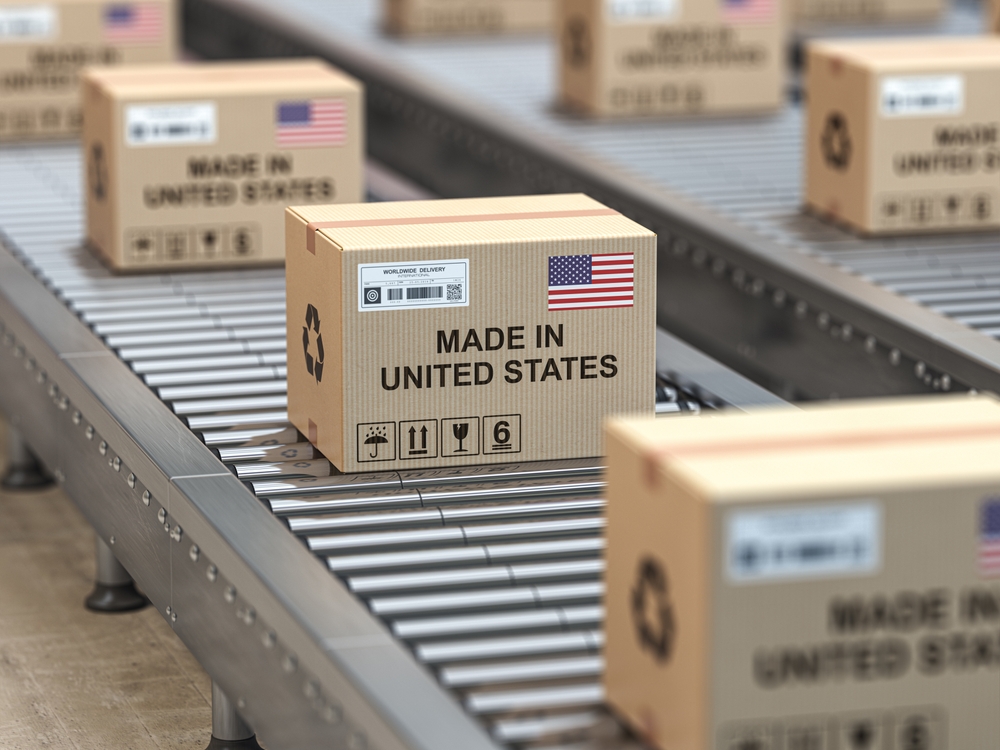
Packaging is often treated like a “simple” line item, a final checkbox to be ticked before a product heads out the door — until a shipment is late, a material is backordered, or an overseas delay throws production schedules off track. When that happens, packaging stops being a minor detail and becomes a bottleneck that can slow production, complicate fulfillment, and put customer commitments at risk.
That’s why more manufacturers and brands are taking a closer look at where their packaging comes from. Instead of importing packaging, they are increasingly sourcing from domestic companies. When your packaging partner is closer, easier to reach, and operating within the same market conditions, you gain better visibility and more control — two things that matter a lot when timelines are tight and the unexpected happens.
Take a closer look at how choosing a domestic packaging manufacturer can help stabilize lead times, improve responsiveness, and reduce supply chain uncertainty.
Why Packaging Delays Create Bigger Operational Risks
Packaging delays rarely stay “contained.” If packaging arrives late, it can disrupt far more than the packaging line itself. In many operations, packaging is the last component needed before a product can be assembled, sealed, labeled, or shipped. When it’s missing, everything downstream feels the impact.
The ripple effects of a packaging delay include:
Missed Production Runs
A late packaging order can lead to missed production runs because the product cannot be finished or prepared for shipment. That often creates a domino effect: lines slow down, schedules get reshuffled, and teams scramble to make up time.
Idle Labor Costs
In some cases, labor becomes idle — not because demand dropped, but because one essential input didn’t arrive on time. Even when you shift labor to other tasks, you’re still paying for downtime and absorbing inefficiencies that can be difficult to “recover” later.
Storage and Warehousing Issues
Delays can also create storage issues. If product components, raw materials, or partially completed inventory are staged and waiting for packaging, you may need more floor space, more pallet positions, and more handling time. That increases congestion and risk of damage, especially in busy facilities. And if production continues without the ability to pack and ship, you may end up tying up cash in work-in-progress and finished goods that can’t move.
Customer Delivery Setbacks
Finally, late shipments may lead to chargebacks, expedited freight costs, or strained customer relationships — particularly when you serve retail, food, healthcare, or other industries where timing, shelf availability, and compliance documentation matter. In short, packaging delays don’t just delay packaging. They put your broader operational performance on the line.
How U.S.-Made Plastic Packaging Reduces Supply Chain Risk
One of the primary benefits of U.S.-made plastic packaging is the dramatic reduction in the number of things that can go wrong between the factory floor and your loading dock.
Shorter Transit and Fewer Handoffs
In order to reduce risk in your supply chain operations, you need to reduce the distance between yourself and your plastic packaging supplier — and domestic sourcing does exactly that. U.S.-made plastic packaging typically travels shorter routes, with fewer transfers between carriers, facilities, and handling points. That reduces opportunities for delays, damage, or scheduling conflicts. It also makes delivery timelines easier to forecast, because transit doesn’t depend on overseas shipping windows or unpredictable port conditions.
Reduced Port and Customs Exposure
Domestic sourcing also lowers exposure to port congestion, customs delays, and import documentation issues. International shipments can be disrupted by everything from weather events and labor shortages to inspection holds and shifting regulatory requirements. Even when nothing goes “wrong,” global freight timelines can vary widely, which makes planning harder. Working with a U.S. manufacturer helps remove many of those variables so your plastic packaging supply is less vulnerable to factors beyond your control.
Faster Problem-Solving
When your plastic packaging partner operates in your time zone — and within a similar business environment — it’s typically easier to get answers quickly, align on priorities, and resolve issues without long lags. If a spec needs clarifying, a material substitute needs approval, or a production schedule needs to be adjusted, faster communication can prevent minor hiccups from becoming major setbacks.
Quality Control and Consistency Advantages of Domestic Manufacturing
In addition to smoothing out the supply chain, domestic manufacturing often supports tighter oversight and more consistent processes. With shorter feedback loops, it’s easier to confirm specifications, validate samples, and ensure production stays aligned to expectations. That reduces the likelihood of receiving packaging that looks correct at a glance but creates problems on the line — poor fit, inconsistent thickness, sealing issues, or brittleness that increases damage during shipping and handling.
Consistency also matters for automation. If you’re running packaging equipment, variances in dimensions or material performance can slow output, increase scrap, and create unplanned maintenance. More predictable specs help keep your packaging process stable, which helps keep your broader operation stable.
Flexibility When Demand Changes
Forecasting is never perfect. Promotions ramp up quickly, customer orders spike, product mix shifts, or your team decides to update packaging designs to improve shelf appeal or functionality. In those moments, flexibility becomes a competitive advantage.
Domestic plastic packaging partners are often better positioned to respond to demand changes because they’re not managing long overseas freight lead times or shipping schedules. That can make rush orders more realistic when you have a time-sensitive need. It can also help when you need to adjust production volumes without waiting weeks (or months) for the next shipment to arrive.
Many businesses also value the ability to discuss shorter minimums when possible, particularly when launching new products, testing new designs, or supporting seasonal programs. While minimum order quantities depend on materials, tooling, and manufacturing efficiency, domestic partners may have more room to collaborate on creative options that keep your project moving without overcommitting inventory.
Sustainability and Compliance Considerations
Sustainability and compliance often go hand-in-hand with supply chain decisions. From a sustainability perspective, shorter transit distances can reduce the transportation footprint associated with packaging shipments and support broader sustainability goals.
On the compliance side, domestic sourcing can simplify alignment with U.S. standards and documentation expectations. Many teams find it easier to obtain consistent paperwork, maintain traceability, and support internal recordkeeping when working with a manufacturer operating under U.S.-based requirements. That can be valuable for audits, customer requirements, and regulated environments where documentation and consistency matter.
Build a More Dependable Packaging Supply Strategy With Munot Plastics
Supply chain decisions can feel overwhelming when you’re balancing timelines, budgets, and customer expectations. But packaging doesn’t have to be the variable that throws your plans off course. When you choose a reliable domestic plastic packaging manufacturer, you gain more predictability, faster communication, and a supply strategy that’s built for real-world operational demands.
Munot Plastics can help businesses create a more dependable packaging supply strategy with consistent production and responsive support for thermoformed trays, clamshells, and blisters. If you’re looking to reduce delays, strengthen your supply chain, and keep your packaging aligned with your production needs, contact us to discuss your plastic packaging requirements and find the right solution for your operation.