Imagine a brand that has six new hand tools going into hardware stores this spring, all sold on peg hooks. There's a stock clamshell that almost fits. The supplier already has it on the shelf, and there's nothing to build.
The catch: tools slide around inside, the hang hole sits half an inch off from the header card, and someone has to cut a cardboard insert for every package to stop the rattling. A custom clamshell would hold each tool in its own pocket and line up with the card. It would also need a mold before the first one could be made.
So which costs less? The stock package wins on day one. After that, the math changes. Every insert is another part to buy and another step on the packing line. Every tool that scratches or works loose in transit is a return. And a package that looks improvised hangs next to competitors that don't. Custom packaging takes most of that off the table, and on longer runs the per-unit price is often lower too.
The difference between those two options is custom tooling. You pay for it once and use it on every order after, so how much should you budget for it, and what does that money buy?
What is thermoform tooling?
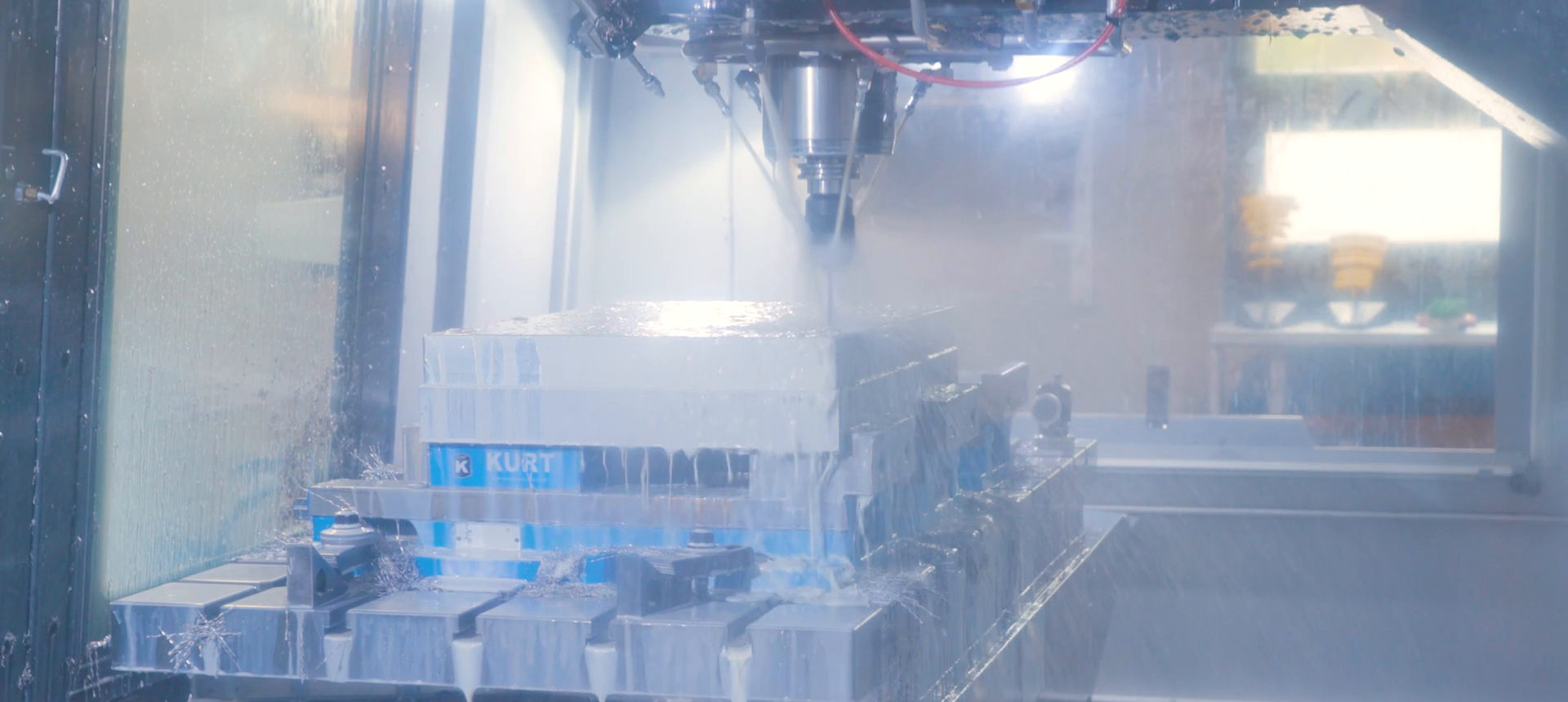
Thermoforming starts with a flat sheet of plastic. The sheet is heated until it's soft, pulled over or into a mold, and cooled until it holds the shape. The mold is the tool. Once the parts are formed, they're cut out of the sheet.
A custom tool is built from your product's dimensions, which is how custom plastic trays, clamshells, and inserts end up holding a product in one exact position. The tool is usually the biggest upfront cost in a new packaging program, and a lot of later numbers, like cycle time and per-unit price, depend on how it was built.
What drives the cost of thermoform tooling?
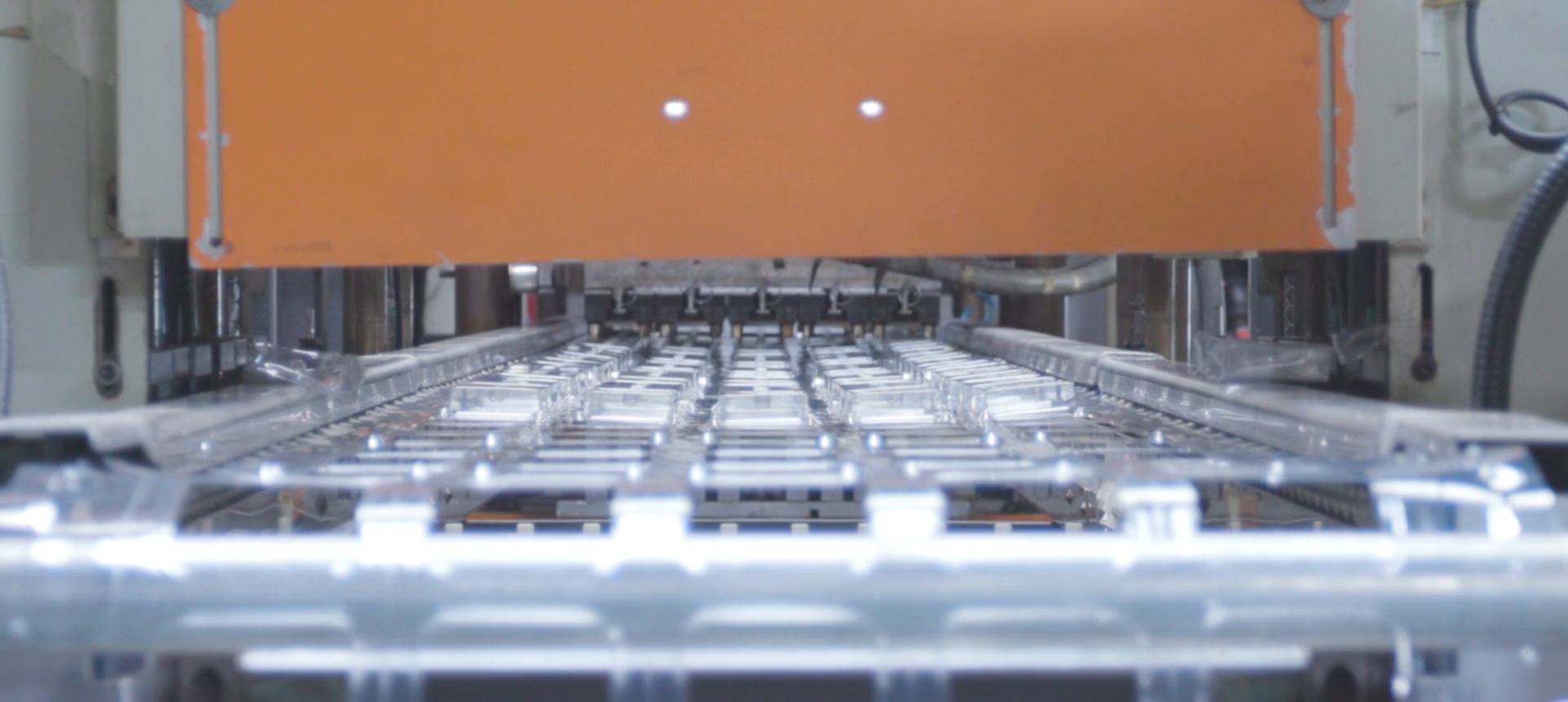
Tooling quotes vary widely from one package to the next. Even the most basic tool can cost around $5,000, while more advanced tooling can run $20,000 or more. These are the factors that move the number most.
- Part size and draw depth: A bigger part needs a bigger tool. A deeper part stretches the sheet further, so the tool has to be designed to keep the walls from thinning out at the bottom.
- Design complexity: Every feature adds design and machining time. Undercuts, ribs, hang tabs, lids that snap shut, and trays that nest or stack all count.
- Number of cavities: A tool with eight cavities costs more than a tool with one, but it makes eight parts per cycle instead of one. At high volume, that usually brings the per-unit price down.
- Tool construction and expected life: A tool for a prototype or short run can be made from cheaper materials. A tool expected to run for millions of cycles has to be built to hold its dimensions that long.
- Forming method: Pressure forming adds compressed air to vacuum suction to push the sheet against the mold, which picks up sharper corners and finer texture. The tooling usually costs more.
- Trim tooling: Formed parts have to be cut from the sheet. Depending on the part, that can mean a separate trim tool, such as a steel rule die or a matched-metal die, which is part of the total tooling budget.
- Material being formed: Some plastics form easily. Thicker sheet and food-contact grades need more process control, and that can change how the tool is designed.
- Prototype rounds: Each round of prototyping before production tooling adds cost, but it also catches fit problems before they're built into a production tool.
Factor |
What it means |
How it affects the budget |
|
Part size and draw depth |
How large and how deep the formed part is |
Larger and deeper parts need larger tools and more engineering. |
|
Design complexity |
Undercuts, ribs, hang tabs, nesting, mating lids |
More features mean more design and machining time. |
|
Number of cavities |
Parts formed per cycle |
Higher upfront cost, lower per-unit cost at volume |
|
Tool construction and life |
What the tool is made of and how it's built |
Higher upfront cost, fewer repairs on long programs |
|
Forming method |
Vacuum vs. pressure forming |
Pressure forming tools usually cost more. |
|
Trim tooling |
The die that cuts parts from the sheet |
Can be a separate, significant cost |
|
Material |
The plastic being formed |
Specialty and food-contact materials can affect tool design. |
|
Prototype rounds |
Iterations before production tooling |
Each round adds cost and reduces production risk. |
Why a better tool is an investment
The quote for a better-built tool will be higher. On the production floor, it means parts that fit the same way every time, fewer rejects, cleaner trim, and faster cycles. Your tenth reorder comes out the same as the first run, which translates to better shelf appeal, fewer returns, and overall higher cost-effectiveness.
Munot runs orders from a few thousand pieces into the millions. And at 5 million parts, a reject rate one point higher means 50,000 parts in the scrap bin. A cheaper tool that needs repairs also stops the line while it's fixed.
So when two quotes are far apart, ask what each tool is made of, how many cycles it's built to run, and what happens when it needs repair.
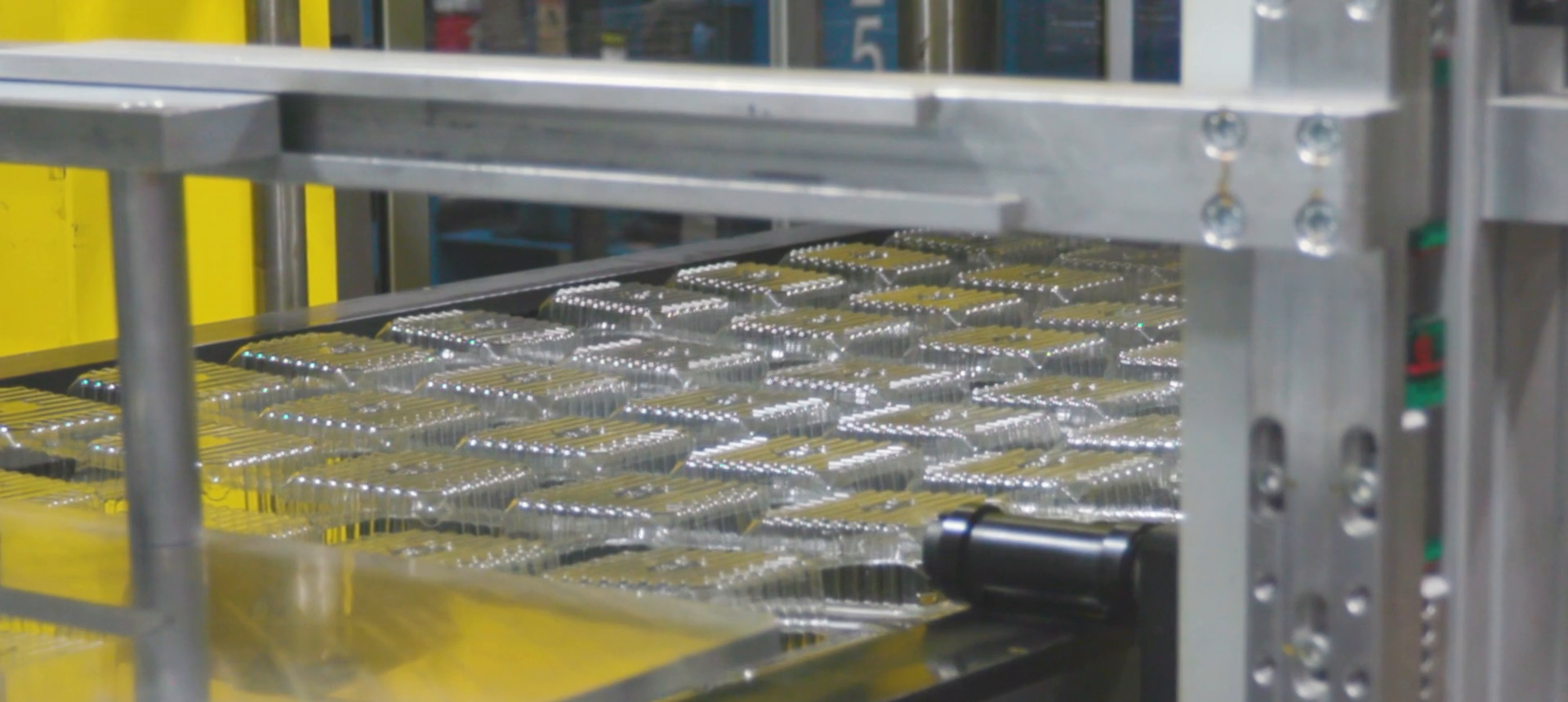
What's included in the tooling investment at Munot
Here's what a tooling project at Munot covers.
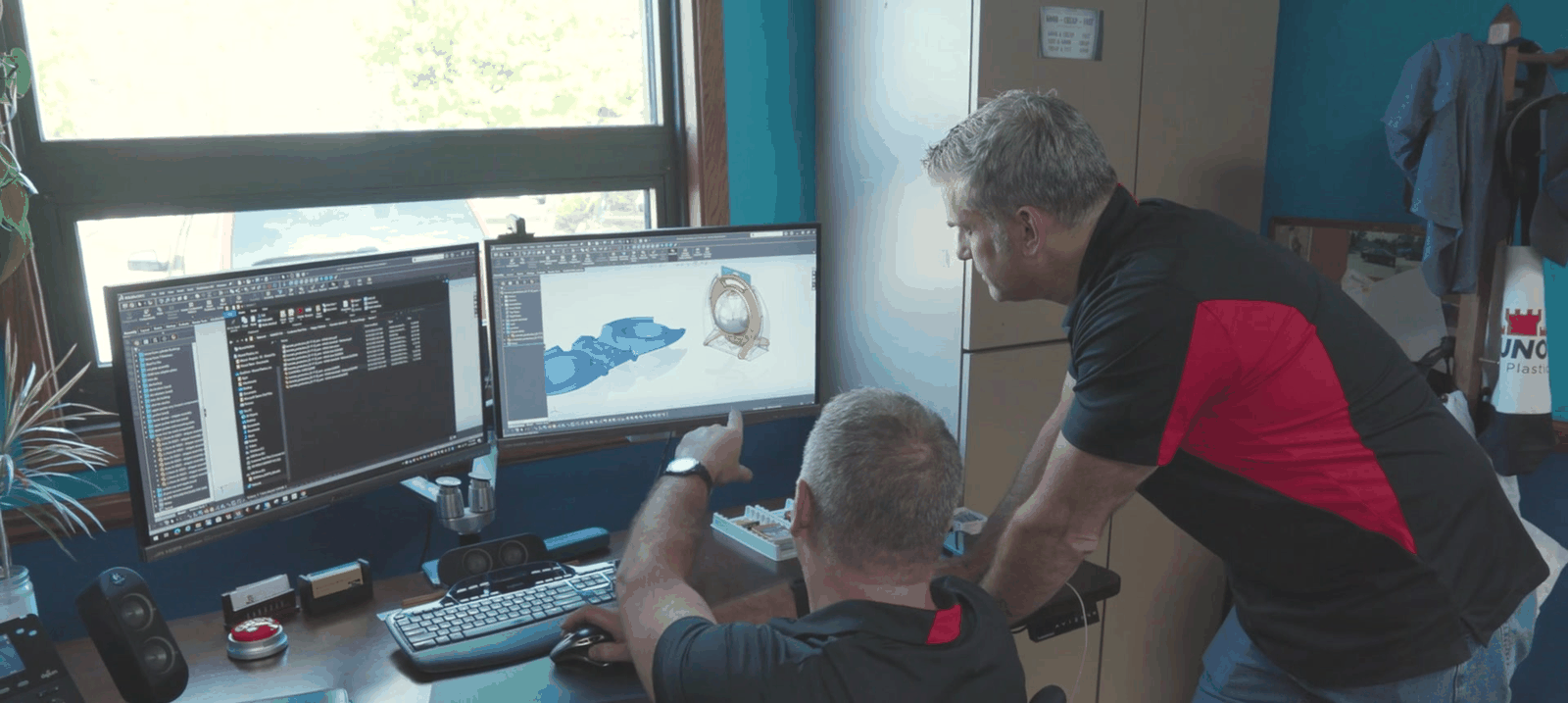
- Design, prototype, and production tooling, all in house. Munot handles every step of its thermoforming plastic services at its facility in Erie, Pennsylvania. The engineers who design your package work down the hall from the people who build and run the tool.
- You own the tool. Between runs, Munot stores it and keeps it maintained for as long as your program is running.
- A long track record. Munot is the only thermoformer in Erie, family-owned, and in business since 1963.
Custom or stock packaging?
Stock packaging is a good choice when the product is simple, durable, and doesn't need to sell itself on the shelf. You can usually get it fast, and there's no tool to pay for.
Custom packaging earns its tooling cost when the package has a harder job: holding a product in one exact position, carrying the brand, hanging on a peg, meeting food-contact rules, or getting a fragile product through shipping intact. The hand tool line from the top of this post checks three of those boxes.
|
|
Stock packaging |
Custom thermoformed packaging |
|
Fit |
Approximate; designed for many products |
Exact; designed for your product |
|
Branding |
Generic |
Built around your brand and retail presentation |
|
Upfront investment |
Little to none |
Tooling investment |
|
Per-unit cost at volume |
Fixed by the supplier's catalog |
Often lower at volume with the right tool |
|
Lead time |
Short; often ships from inventory |
Longer upfront for design and tooling |
How to budget for a new thermoforming program
An engineer can quote a tool much more accurately with this information:
- Product dimensions or a physical sample
- Estimated annual volume and typical order size
- Material or regulatory needs, such as food contact
- Retail hang or shipping requirements
- Target launch date
Also build in room for changes. If the product changes after the production tool is built, the tool may need to be modified. Avoiding multiple modifications later in the process is the best way to avoid that cost.
Established customers can also ask about tooling amortization. In some cases, on committed large runs, Munot can spread the tooling cost across the per-unit price instead of billing it all upfront.
From there, the most reliable budget comes from walking through those inputs with an engineer. A short conversation early can save a round of redesign later.
FAQ
What is thermoform tooling?
It's the mold that forms a heated plastic sheet into a tray, clamshell, insert, or other package. A custom tool is machined to fit one specific product.
Who owns the tooling?
You do. Munot stores the tool between runs and maintains it for as long as your program is running.
Can I run a small order with custom tooling?
If you need fewer than 5,000 pieces, we recommend finding a stock item to meet your needs.
Can I bring tooling from another thermoformer?
Often, yes. Munot's engineers will need to perform a quality check to ensure the packaging meets our quality standards.
Talk to a Munot engineer
Every tooling budget starts with the product it's built for. Talk to a Munot engineer about scoping the tooling investment for your next packaging program.